Accurate Utility Mapping
GPR can help locate and map buried services such as water pipes, electrical cables and sewer lines before excavation, alongside plans and other locating methods.

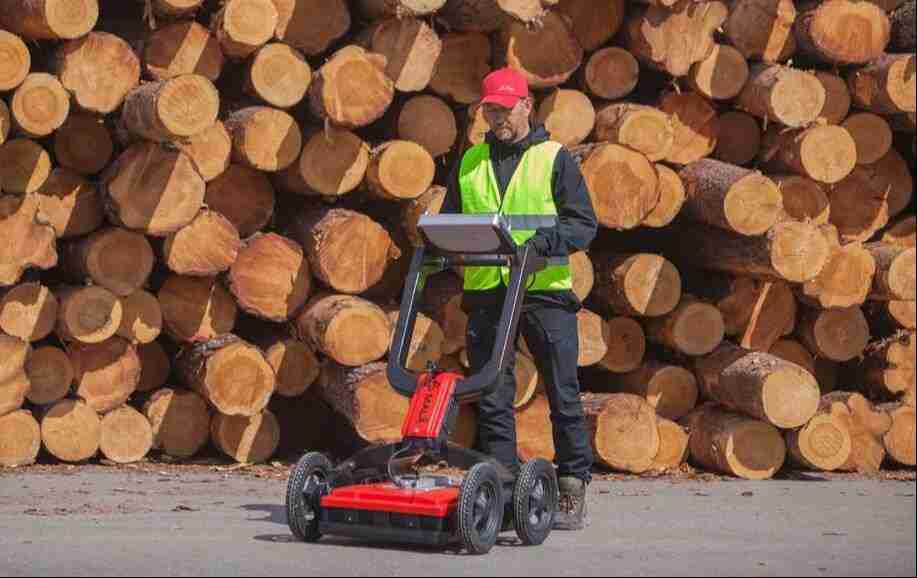
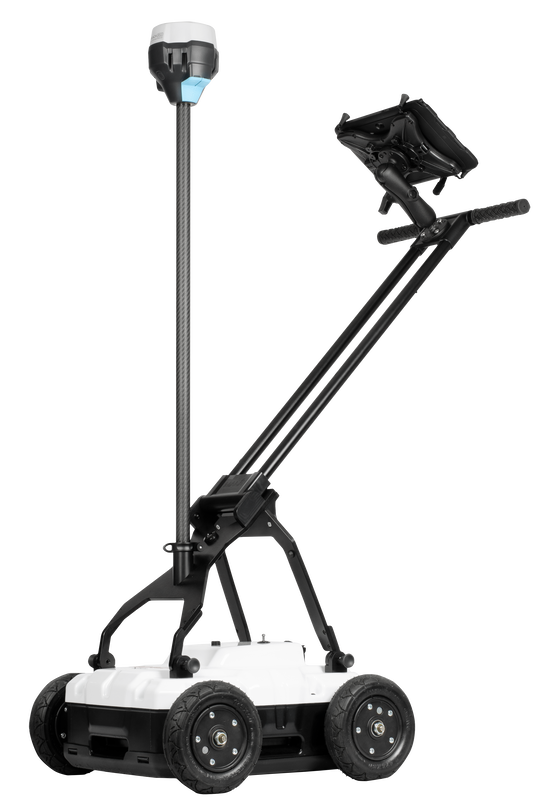
Ground Penetrating Radar (GPR) is a non-destructive subsurface scanning method that uses high-frequency radio signals to detect and map buried utilities, structures, and voids. Without breaking the surface, GPR provides clear, real-time visuals of underground conditions, ideal for planning excavation, construction, or asset management.
GPR can pick up both metallic and non-metallic objects, but what it shows depends on the ground and the materials being scanned. Its results can help plan vacuum excavation and NDD, where services are then exposed and checked by sight.
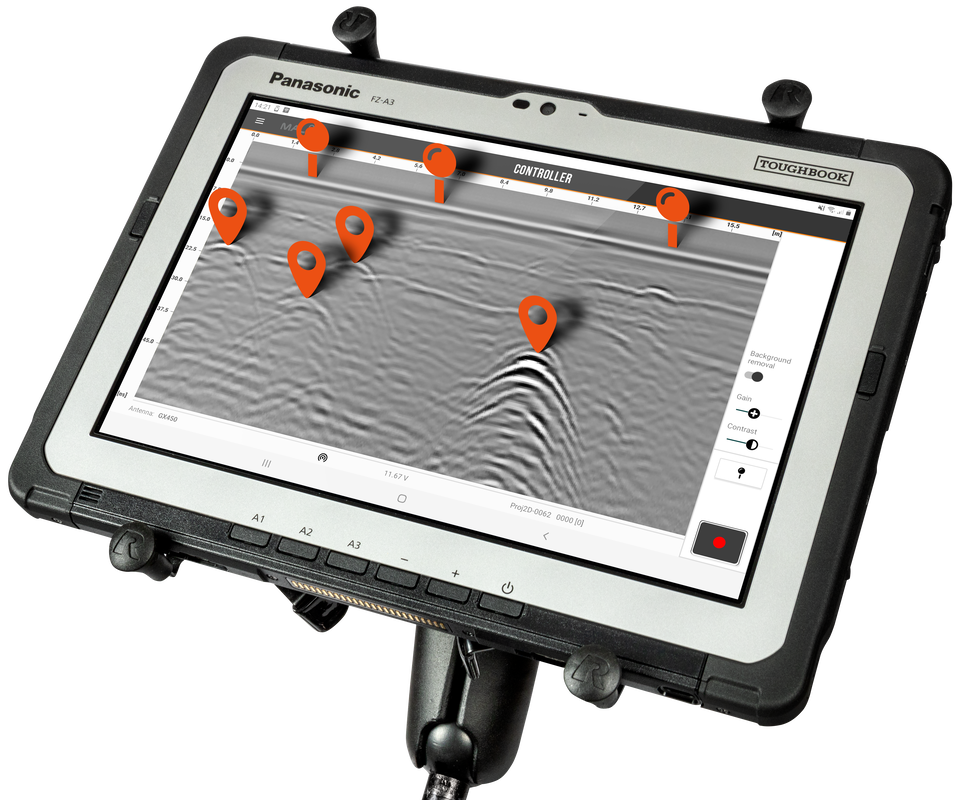
Ground Penetrating Radar (GPR) operates by sending electromagnetic waves into the ground. These waves reflect back when they encounter buried objects or material changes. The GPR system records these reflections, and the time it takes for the signals to return is analysed to create a detailed map of subsurface features.
It can pick up many kinds of buried structures, but the readings need interpretation and won’t always show what an object is or its exact depth. Treat GPR results as a guide for excavation and surveying, and confirm critical services by careful exposure before digging close to them.
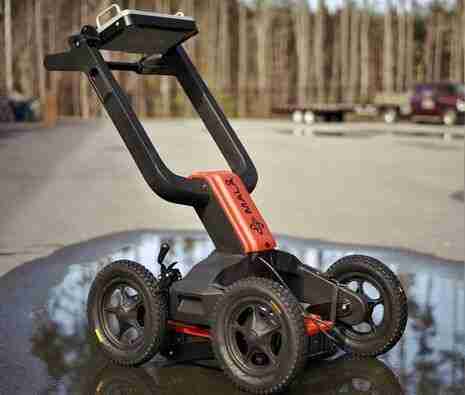
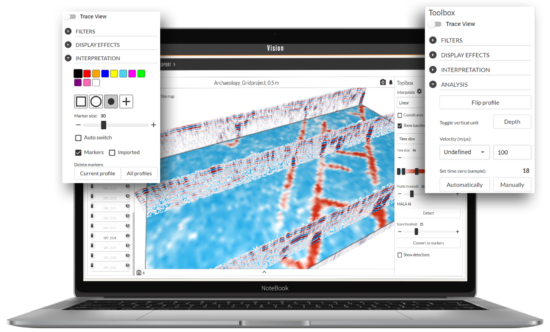
GPR can help locate and map buried services such as water pipes, electrical cables and sewer lines before excavation, alongside plans and other locating methods.
Identify embedded objects such as rebar and conduits within concrete structures, crucial for safe and precise drilling or cutting operations.
GPR can help locate buried tanks and pipelines before an environmental assessment or excavation. It doesn’t test for contamination itself.
Investigate and document historical sites non-invasively, maintaining the integrity of archaeological remains.
GPR offers detailed insights into subsurface conditions without requiring excavation, ensuring the site remains undisturbed.
GPR can respond to both metallic and non-metallic objects, but how clearly they show up depends on the ground and the material, so results are confirmed before digging near a service.
Scanning before excavation can reveal buried services or other features early, so they can be planned around before digging starts.
Minimise risks to workers and the public by accurately identifying and avoiding underground hazards.
Obtain a comprehensive understanding of subsurface conditions to support informed decision-making and effective project planning.